
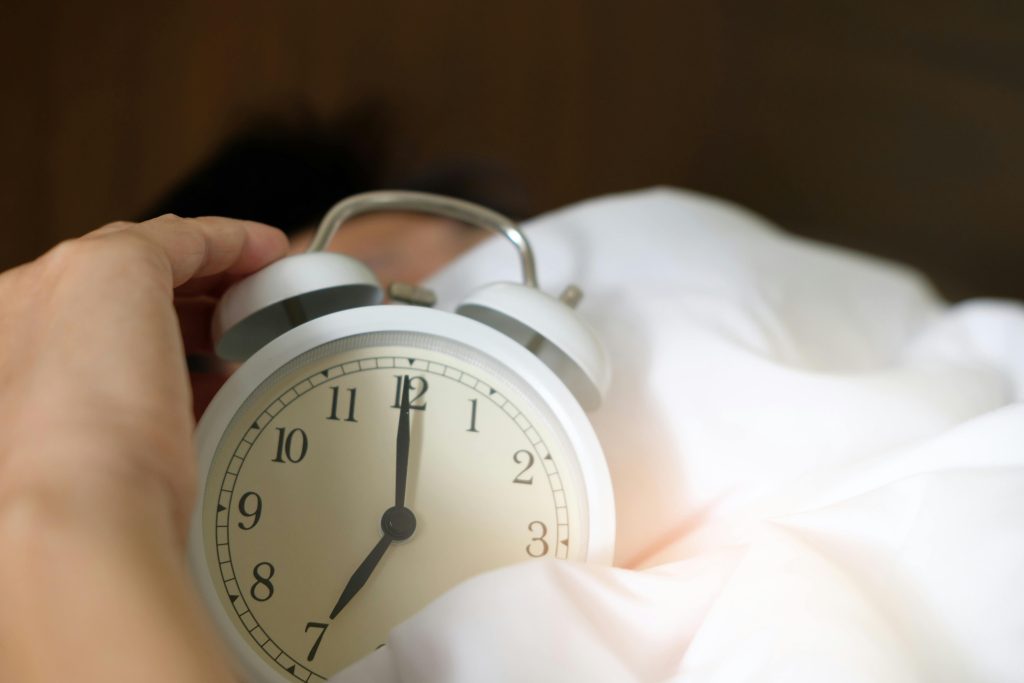
We often treat sleep as the thing we do after work, but it’s actually the foundation of how well we work. Sleep isn’t downtime—it’s when your brain does its deepest maintenance: consolidating memory, regulating mood, and restoring immune and hormonal balance.
The stress–sleep loop
Chronic stress releases cortisol, which keeps the body alert and suppresses melatonin—the hormone that signals sleep. Poor sleep then reduces our ability to regulate emotion, making stress feel worse.
A 2022 meta-analysis in Sleep Medicine Reviews found that disrupted sleep and work stress form a bi-directional cycle: stress impairs sleep quality, and short sleep amplifies next-day stress reactivity.
What helps break the cycle
- Consistent rhythms: aim for the same wake time even on weekends; your body loves predictability.
- Pre-sleep wind-down: avoid screens and emails 30–60 minutes before bed; use dim light and calming cues.
- Micro-recovery during the day: small breaks reduce stress hormones, improving sleep quality at night.
- Caffeine & alcohol awareness: both shorten deep sleep; keep caffeine before noon and moderate evening drinks.
- Mind–body reset: practices like slow breathing, progressive muscle relaxation, or mindfulness for 10 minutes before bed reduce cortisol and improve heart-rate variability.
At work
Encourage a culture that respects recovery—no “hero hours,” no late-night Slack messages. Teams that protect rest sustain higher creativity, fewer errors, and lower absenteeism.
Further reading & resources
- Bidirectional relations between work-related stress and sleep quality.
- Sleep Health Foundation (2024). Sleep Hygiene: Good Sleep Habits. Sleep Health Foundation (Australia).
- World Health Organization (2022). WHO Guidelines on Mental Health at Work.
Quick take-away:
Rest isn’t a reward for hard work; it is the resource that makes sustainable work possible.