
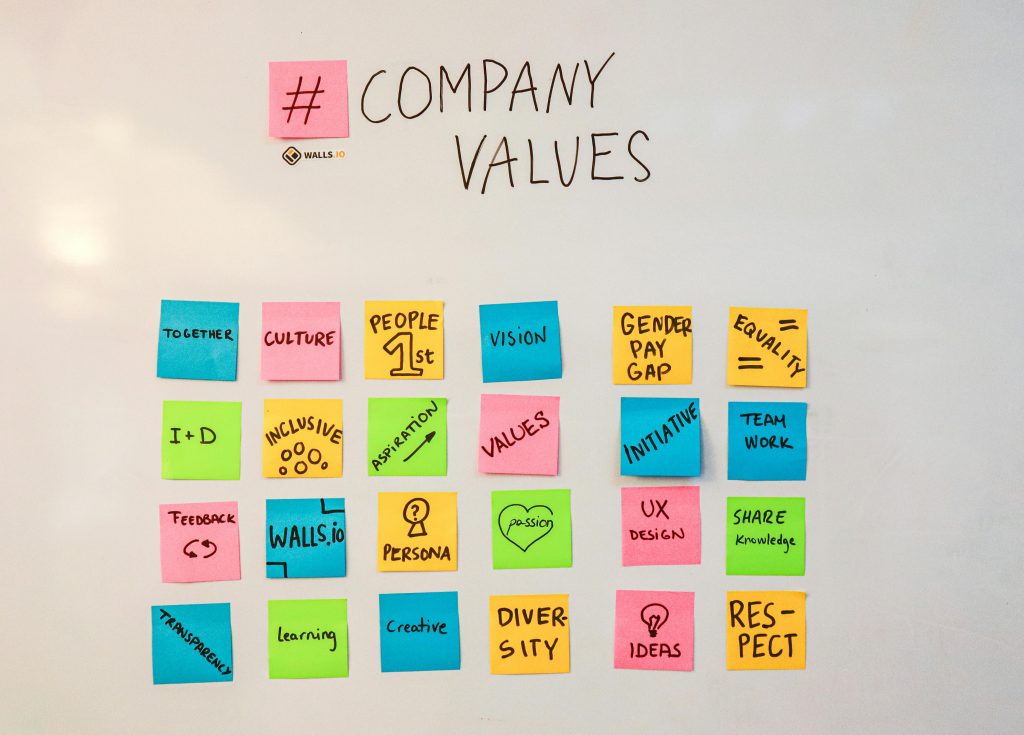
Burnout isn’t only about workload. It’s also about moral friction: being asked to deliver work that clashes with what you believe is right or useful.
What values friction looks like
- You’re asked to promise timelines you know are unrealistic.
- You’re smoothing over something you don’t agree with.
- You’re rewarding behaviour you actually think is harmful.
- You’re doing work you see as performative, not genuinely valuable.
That friction quietly drains energy and creates emotional exhaustion.
How to reduce values friction (even if you can’t quit today)
- Ask for clarity on “why this matters.” Sometimes understanding the real purpose resolves the friction.
- Influence the “how,” not just the “what”:
“I’m comfortable delivering X, but I’d like to do it in a way that’s accurate / kind / ethical. Can we tweak the language/process so it reflects that?” - Document misalignment patterns. If it’s chronic, that’s valuable data for a career conversation — internally or externally.
For leaders
If people keep raising “This doesn’t feel right,” listen. That’s not attitude; that’s early warning of disengagement or exit.
Further reading & resources
- Harvard Business Review. Your Burnout Is Trying to Tell You Something. Frames burnout as a signal that one (or more) of six core needs — workload, control, reward, fairness, community, values — is mismatched.
- Organisational justice research shows fairness and respect are linked to better mental health and commitment; persistent perceived unfairness drives distress and withdrawal.
- CIPD. Good Work Index. Monitors “good work” factors like voice, values alignment, feeling respected, and being treated fairly.
Quick take-away
If the way you’re being asked to work clashes with what you believe is decent or worthwhile, that’s not you being dramatic. That’s a known burnout driver.