aimee@scandere.org

office, home office, creative, apple, mac, airbook, designer, desktop, laptop, computer, notebook, style, freelancer, to blog, blog, work, office work, office, office, office, office, office, apple, laptop, laptop, computer, computer, computer, blog, blog, work, work

Autonomy at Work: Why Having a Say in How You Work Protects Your Wellbeing

Autonomy at work doesn’t always mean “do whatever you want.” It means having reasonable control over how you do your tasks — your methods, order, timing, and approach. That sense of control is one of the strongest psychological buffers against stress. Why autonomy matters When demands are high but you have some control, your body

Autonomy at Work: Why Having a Say in How You Work Protects Your Wellbeing Read More »

A young man in glasses writes in a notebook while sitting on a stylish couch indoors.

Civility, Respect, and Low-Level Rudeness: The Hidden Drain on Your Energy

Not all harm at work looks like shouting. Sometimes it’s the eye-roll when you speak. The constant interrupting. The sigh before you’ve finished. The email tone that suggests you’re incompetent. That’s called workplace incivility – and it’s not harmless. Why “small rudeness” is a real risk factor Studies show that repeated low-level disrespect: So this

Civility, Respect, and Low-Level Rudeness: The Hidden Drain on Your Energy Read More »

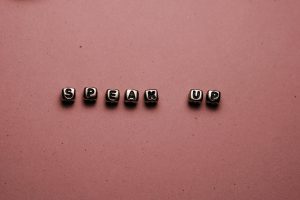
Close-up of beads spelling 'Speak Up' on a pink background, encouraging self-expression.

Psychological Safety: Why Speaking Up Protects Performance (and You)

Psychological safety is not “being nice.” It’s the belief that you can ask for help, admit a mistake, or raise a concern without being embarrassed, ignored, or punished. Teams with high psychological safety don’t avoid hard conversations, they handle them. Why psychological safety matters Research shows that teams with higher psychological safety learn faster, adapt

Psychological Safety: Why Speaking Up Protects Performance (and You) Read More »

A close-up of a hand reaching for a ringing alarm clock, symbolizing waking up in the morning.

Sleep, Stress, and Sustainable Energy

We often treat sleep as the thing we do after work, but it’s actually the foundation of how well we work. Sleep isn’t downtime—it’s when your brain does its deepest maintenance: consolidating memory, regulating mood, and restoring immune and hormonal balance. The stress–sleep loop Chronic stress releases cortisol, which keeps the body alert and suppresses melatonin—the hormone

Sleep, Stress, and Sustainable Energy Read More »

Frustrated woman sitting at desk with laptop, showing stress in a modern office environment.

How to Recognise Early Fatigue

In a world that rewards constant availability, it’s easy to miss the early warning signs of fatigue. But just like a dashboard light, your body and brain give small alerts long before burnout hits. Learning to spot them, and act early, is the key to maintaining performance and wellbeing. Why early fatigue matters Fatigue isn’t

How to Recognise Early Fatigue Read More »

Side view of cheerful female employee in formal outfit sitting on office chair with crossed legs on desk and stretching while resting during work with closed eyes

The Science of Recovery: Why Micro-Breaks Matter

In our fast-paced work environment, we often assume that pressing on and powering through is the only way to succeed. But the latest research paints a different picture: brief, intentional breaks—aka micro-breaks—are powerful tools for sustaining energy, focus, and wellbeing. What are micro-breaks? Micro-breaks are short, voluntary interruptions in your work—typically 10 minutes or less, often even just

The Science of Recovery: Why Micro-Breaks Matter Read More »